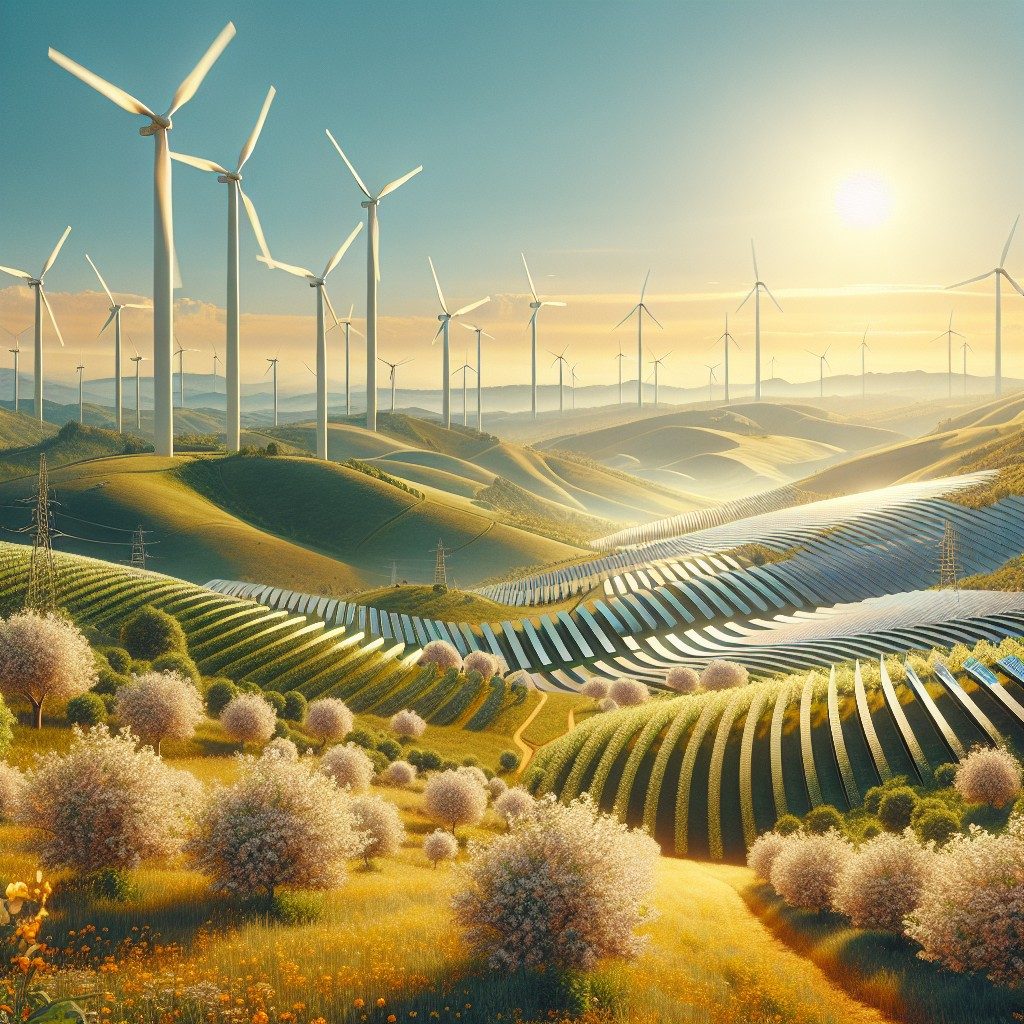
Romania is witnessing a significant transformation in its energy sector, driven by the increasing adoption of renewable energy sources. Solar and wind power are at the forefront of this shift, presenting new opportunities and challenges for the country’s energy landscape.
Current Status of Renewable Energy in Romania
In recent years, Romania has made considerable progress in integrating renewable energy into its national grid. The country’s geographical position offers a favorable environment for wind and solar energy development, with the Danube Delta and Black Sea coast being particularly suitable for wind farms, while vast open lands are ideal for solar installations. According to data from the Romanian Energy Regulatory Authority, renewable energy accounted for approximately 25% of the total electricity produced in 2023.
The Growth Potential of Solar Energy
Solar energy capacity in Romania has grown steadily due to decreasing installation costs and supportive government policies. With a high number of sunny days annually, solar photovoltaic (PV) panels have become an attractive option for both large-scale producers and small consumers. The government’s renewable energy incentives, combined with the European Union’s climate goals, have encouraged investments in solar infrastructure. As a result, solar energy projects are expected to double their contribution to the national energy mix within the next five years.
Expanding Wind Power Capabilities
Wind energy is another key element in Romania’s renewable energy strategy. The country holds significant wind energy potential, ranking among the top in Europe for onshore and offshore wind capacity. Recent developments include several large wind parks along the eastern regions, where wind speeds are optimal. The Romanian government and private investors are collaborating to expand the offshore wind sector in the Black Sea, which could substantially increase the country’s clean energy output. This progress aligns with EU directives aiming to boost renewable energy adoption across member states.
Economic and Environmental Impacts
The expansion of renewable energy, particularly solar and wind, has notable economic benefits for Romania. It creates jobs in manufacturing, installation, and maintenance, while reducing the country’s dependence on imported fossil fuels. Environmentally, the increased use of renewables helps lower greenhouse gas emissions, contributing to Romania’s commitment under the Paris Agreement. However, energy grid modernization and storage solutions will be necessary to accommodate the intermittent nature of solar and wind power effectively.
Challenges and Future Outlook
Despite the promising growth, Romania faces challenges such as regulatory hurdles, grid infrastructure limitations, and financing difficulties for renewable projects. Addressing these issues will require continuous policy support and investment. Nevertheless, given the global momentum toward sustainable energy, Romania’s renewable energy sector is poised for substantial expansion. The development of solar and wind power could make Romania more energy-independent and contribute significantly to the European Union’s green transition goals.
The future of renewable energy in Romania looks promising as technological advancements and international support continue to facilitate growth. Ongoing cooperation with EU institutions and adherence to environmental standards will be critical to fully unlocking the benefits of solar and wind energy.
Frequently Asked Questions about renewable energy
What is the current share of renewable energy in Romania’s electricity production?
Renewable energy constitutes around 25% of Romania’s electricity production, with solar and wind power being the main contributors.
How is solar energy expected to develop in Romania?
Solar energy capacity in Romania is expected to increase significantly over the next five years, driven by falling costs and supportive government policies.
What role does wind energy play in Romania’s renewable energy sector?
Wind energy is a major component of Romania’s renewable energy sector, with potential both onshore and offshore, especially along the Black Sea coast.
What are the economic benefits of expanding renewable energy in Romania?
Expanding renewable energy creates jobs, reduces dependency on imported fuels, and supports Romania’s commitment to reducing greenhouse gas emissions.
Where can I find more information about renewable energy developments worldwide?
Comprehensive and up-to-date information on renewable energy can be found on international platforms like the renewable energy section of the International Renewable Energy Agency’s website.