In recent years, the quest for prolonged life and improved health has brought the spotlight onto various lifestyles and wellness practices. While many trends come and go, certain longevity habits have stood the test of time across diverse cultures. These enduring habits provide valuable insights into maintaining well-being and increasing lifespan beyond fads and temporary health crazes.
Balanced Diets Rooted in Tradition
Many cultures associated with exceptional longevity emphasize diets rich in whole foods, vegetables, fruits, and moderate protein sources. The Mediterranean diet, prevalent in southern Europe, consists of olive oil, nuts, fresh vegetables, and lean fish, contributing to reduced risks of chronic diseases. Similarly, traditional Japanese diets focus on fish, soy products, and seasonal vegetables, regularly linked to extended life expectancy. These long-established dietary patterns showcase that consistent nutrition, rather than experimental diets, strengthens health over decades.
Regular Physical Activity as a Lifestyle
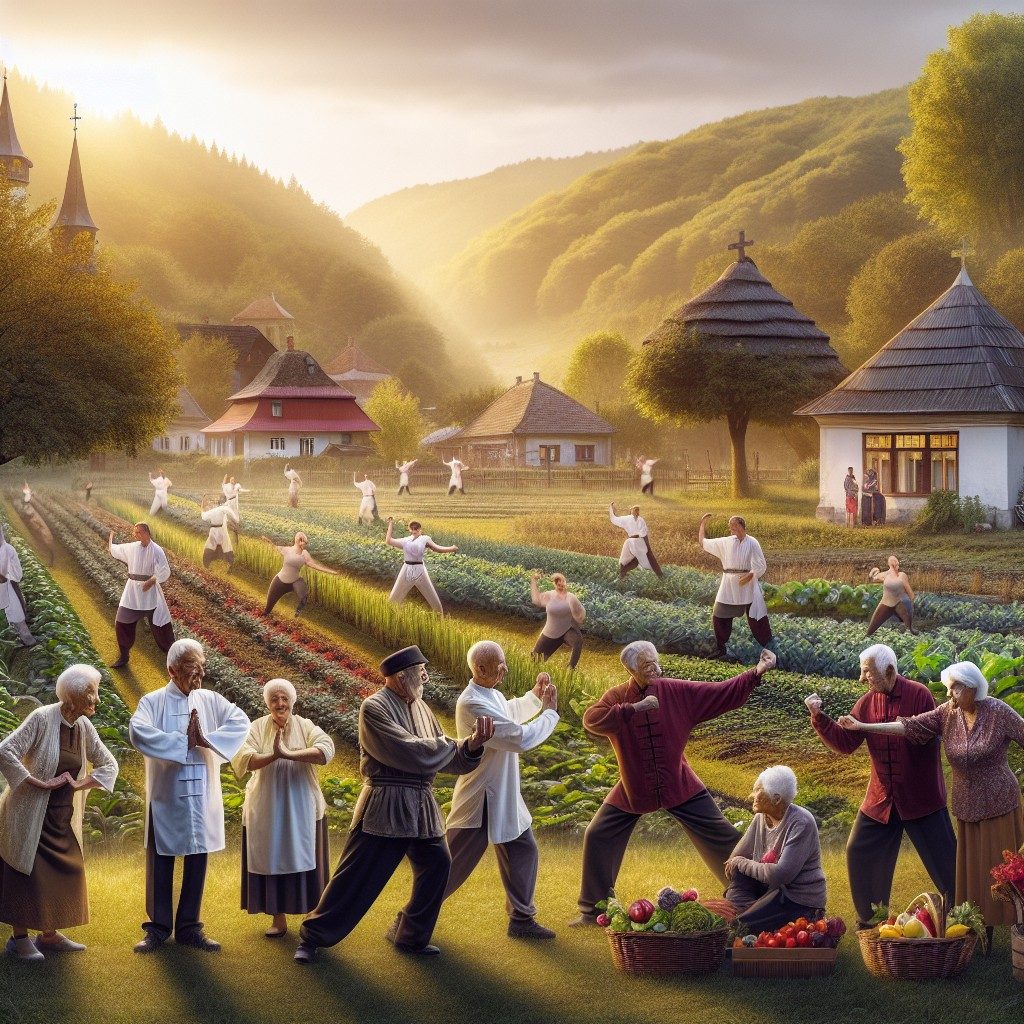
Across nations known for longevity, physical movement is integrated naturally into daily lives rather than structured exercise regimens. Walking, gardening, cycling, and manual tasks form part of typical routines, supporting cardiovascular health and muscle maintenance. For instance, rural communities in countries like Italy and Costa Rica engage in daily physical labor and transportation on foot, underscoring that sustained, moderate activity is more beneficial than sporadic intense workouts. This persistent trend reinforces the role of habitual activity in aging healthfully.
Strong Social Connections and Community
Social ties represent a significant factor in longevity worldwide. Research consistently finds that individuals maintaining close relationships with family and community tend to live longer and experience better mental health. Cultural practices emphasizing communal meals, collective celebrations, and supportive networks provide psychological well-being and a sense of belonging. This aspect is critical, as isolation and loneliness have been linked to increased mortality risks. Such longevity habits around social interaction transcend geographic and ethnic boundaries.
Purpose and Meaning in Daily Life
Another commonality observed among long-lived populations is having a clear sense of purpose. Whether through work, family responsibilities, or spiritual beliefs, feeling useful contributes to motivation and resilience. In Okinawa, Japan, the concept of ‘ikigai’ encapsulates this idea—connecting individuals to goals that sustain mental engagement and discourage inactivity. This meaningful involvement aligns with lower rates of depression and cognitive decline, advocating a holistic approach to longevity beyond physical health.
Moderate Consumption of Alcohol and Avoidance of Smoking
While alcohol consumption patterns vary, societies with notable longevity often engage in moderate drinking rather than excess. Red wine in Mediterranean regions is consumed in small quantities, typically accompanying meals and social occasions, contrasting with binge drinking found elsewhere. Importantly, tobacco use is minimal or non-existent in these communities, reflecting awareness of its detrimental health consequences. Avoiding harmful substances is a vital longevity habit that remains consistent across cultures focused on aging well.
Conclusion
Longevity habits that endure across cultures provide compelling evidence that sustainable lifestyle factors contribute significantly to lifespan and quality of life. Balanced nutrition, habitual physical activity, strong social networks, purposeful living, and avoiding harmful substances form the foundation of healthy aging globally. These established practices contrast with fleeting wellness trends and represent verified approaches supported by scientific research and cultural continuity. As populations worldwide face aging demographics, integrating these proven longevity habits may serve as a practical guide to enhancing well-being for future generations.
Frequently Asked Questions about longevity habits
What are the key longevity habits common across different cultures?
Key longevity habits shared internationally include balanced diets with whole foods, regular physical activity, strong social connections, a sense of purpose, and avoidance of smoking and excessive alcohol use.
How does social interaction impact longevity habits?
Social interaction fosters emotional support and mental health, which are crucial longevity habits as isolation and loneliness have been linked to higher mortality risks.
Can traditional diets influence longevity habits today?
Yes, traditional diets emphasizing plant-based foods, moderate protein, and healthy fats continue to be essential longevity habits by reducing risks of chronic diseases and supporting overall health.
Are physical activities in daily routines more effective than workouts for longevity?
Many cultures demonstrate that incorporating moderate physical activity naturally into daily routines is an effective longevity habit, promoting sustained health over time.
Why is having a sense of purpose considered a longevity habit?
Having a sense of purpose encourages mental engagement and resilience, important longevity habits that help reduce cognitive decline and improve overall quality of life with age.